
.png)


_compressed%20(1).jpg)


.png)


_compressed%20(1).jpg)
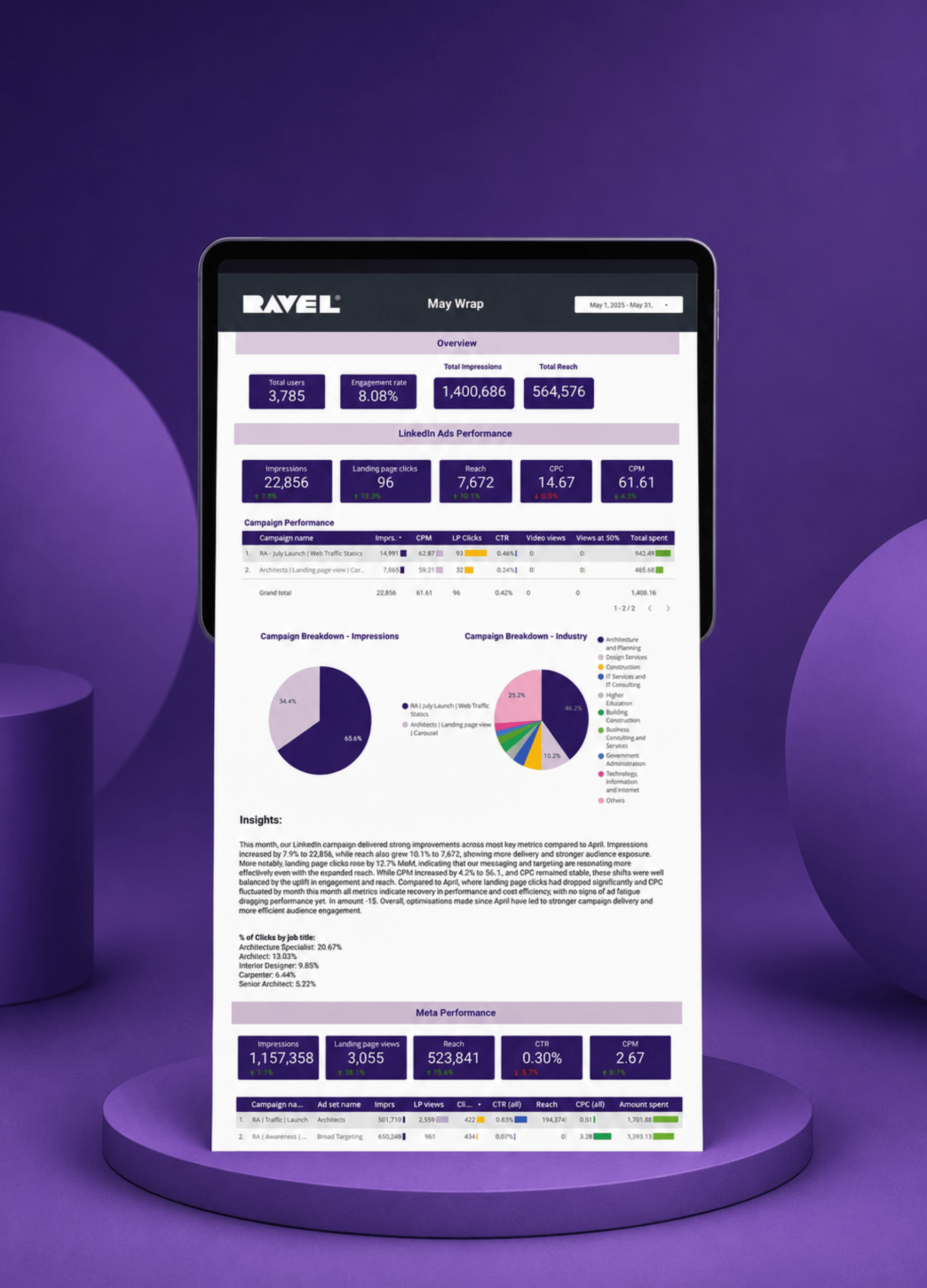


Ravel looks at the audience, offer, creative, conversion pathway and commercial goals before shaping the campaign, whether the role is to build demand, generate enquiries, support sales, retarget warm audiences or test a new direction.
This gives your business a clearer read on what's working and where the next opportunity may sit.
Social ads platforms


.png)





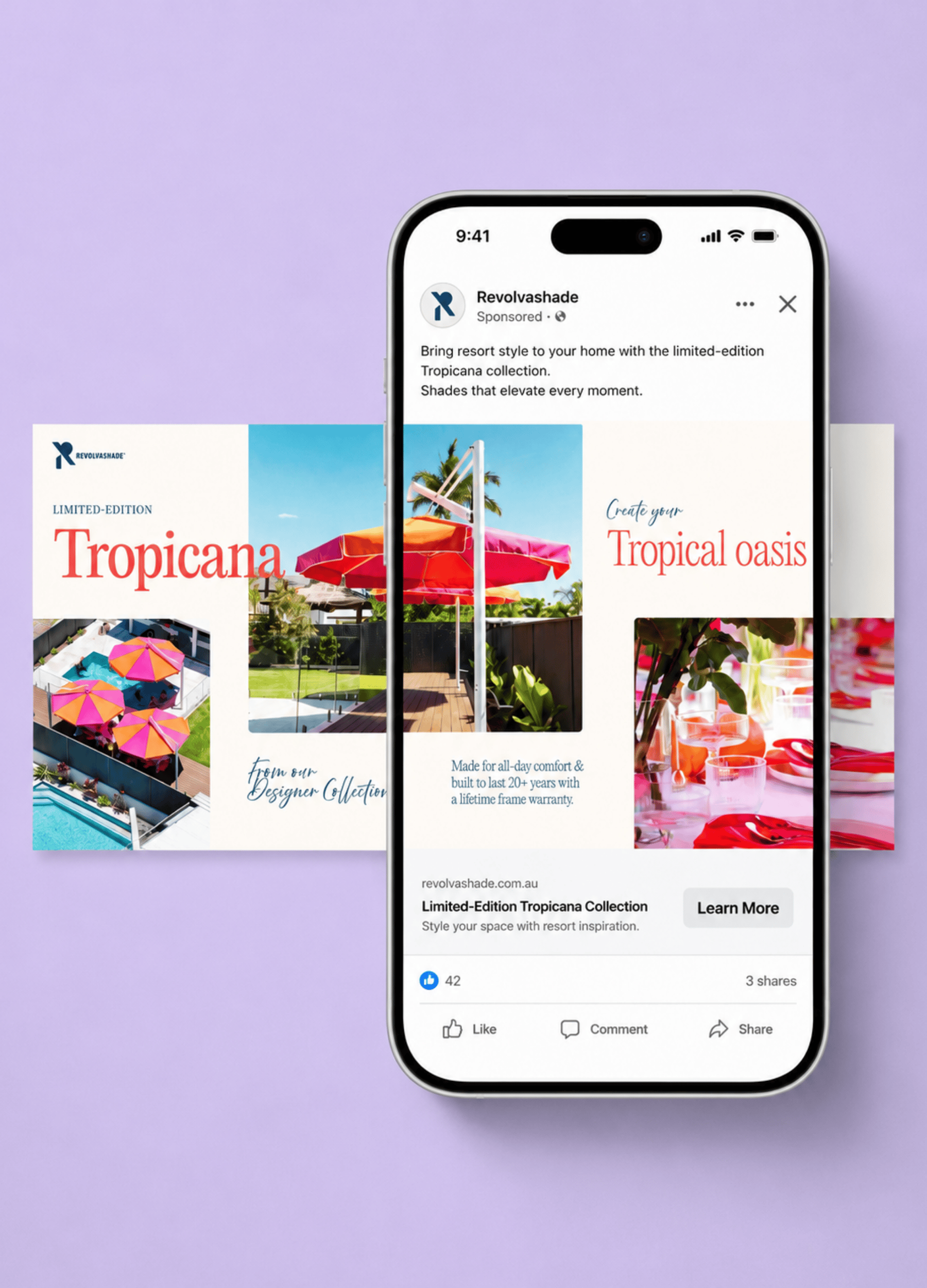
Ravel brings paid media and in-house creative together, shaping static creative, video, photography, animation, ad copy and landing page alignment around what the campaign needs to perform.
Paid social outcomes
A good account keeps improving after launch, but the work starts earlier than that to ensure campaign decisions are grounded in the business context before spend goes live.
Start your journeyUnderstand the goal, audience, market, website, tracking and commercial context before the account direction is set.
Shape the campaign mix, audiences, creative direction and measurement, with the right specialist input and quality checks before launch.
Manage audiences, creative, placements, landing pages and budget as performance data builds.
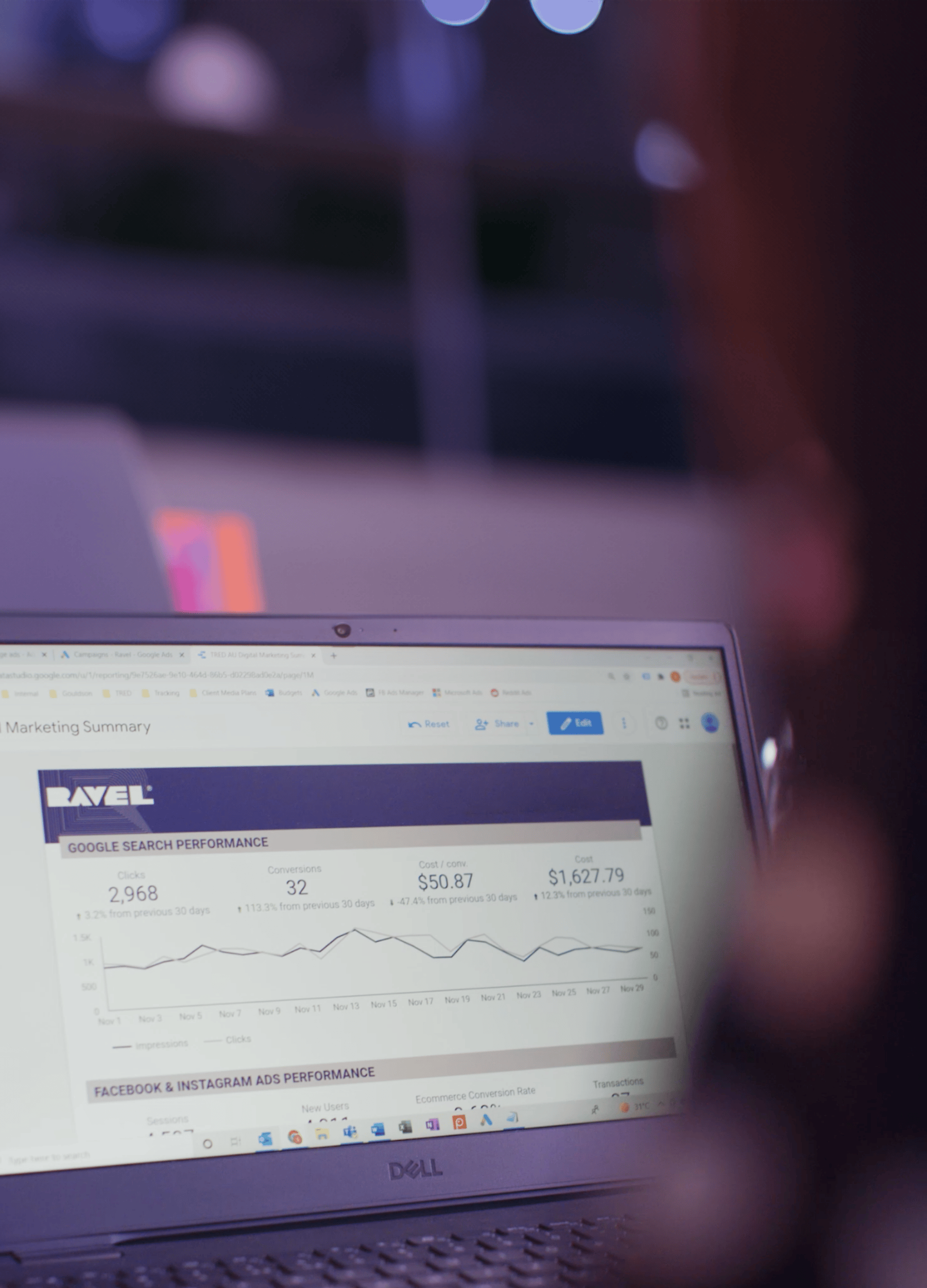
Explain performance, recommend next actions and connect learnings back to the wider marketing and growth picture.


Paid social advertising is the practice of paying social media platforms to display sponsored content to targeted audiences. Unlike organic social media, paid social campaigns use audience targeting and campaign objectives to help businesses build awareness, generate leads, increase website traffic and drive sales.

Paid social advertising allows businesses to target audiences based on factors such as demographics, interests, behaviours and previous interactions. Campaigns are designed around specific objectives, with platforms optimising delivery to help achieve goals such as leads, purchases, website traffic or engagement.

The right platform depends on your audience, objectives and the type of business you operate. Facebook and Instagram are often well suited to consumer brands, while LinkedIn is commonly used for B2B marketing. The strongest strategy is usually based on where your audience spends time and how they make purchasing decisions.

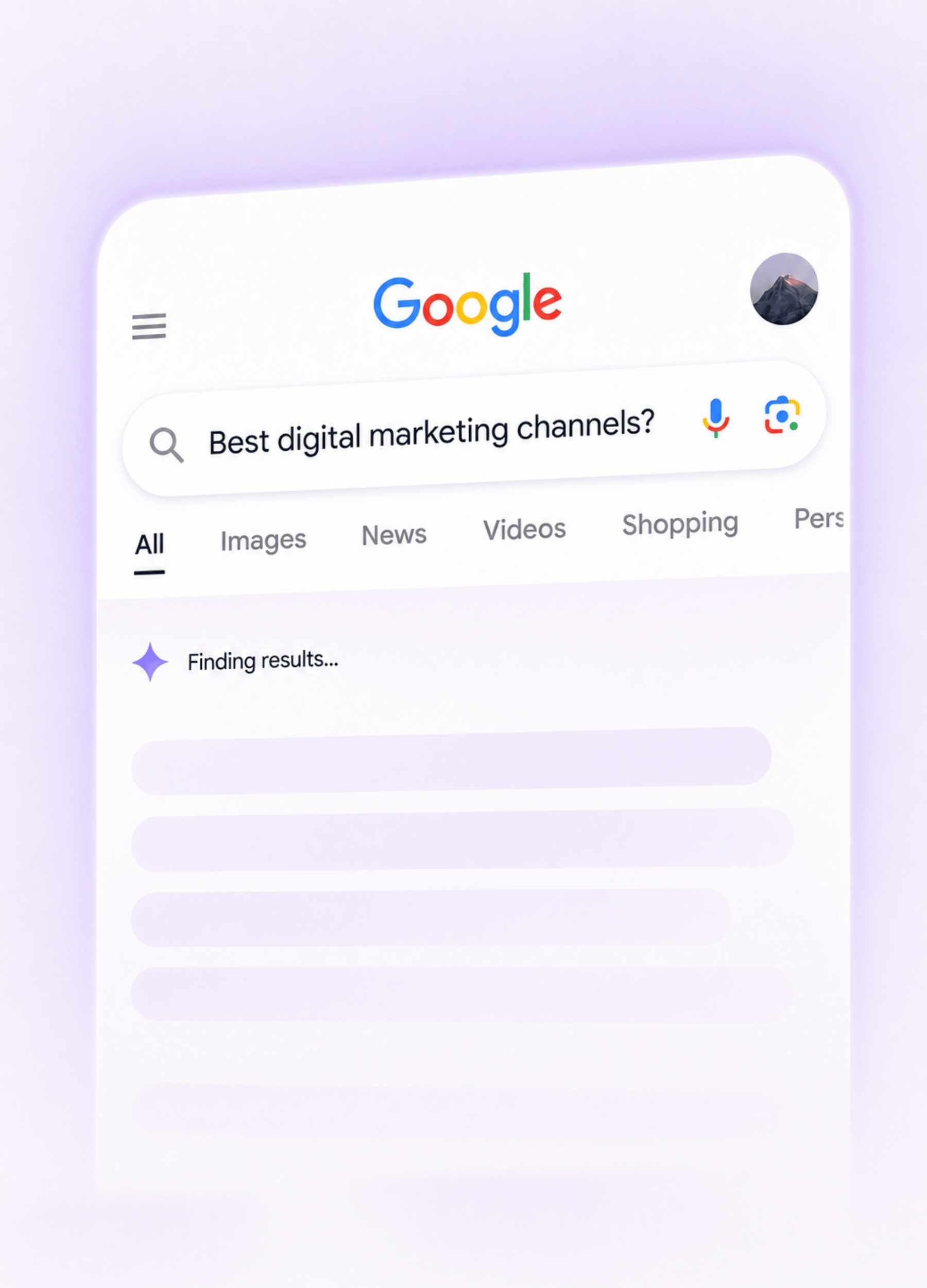
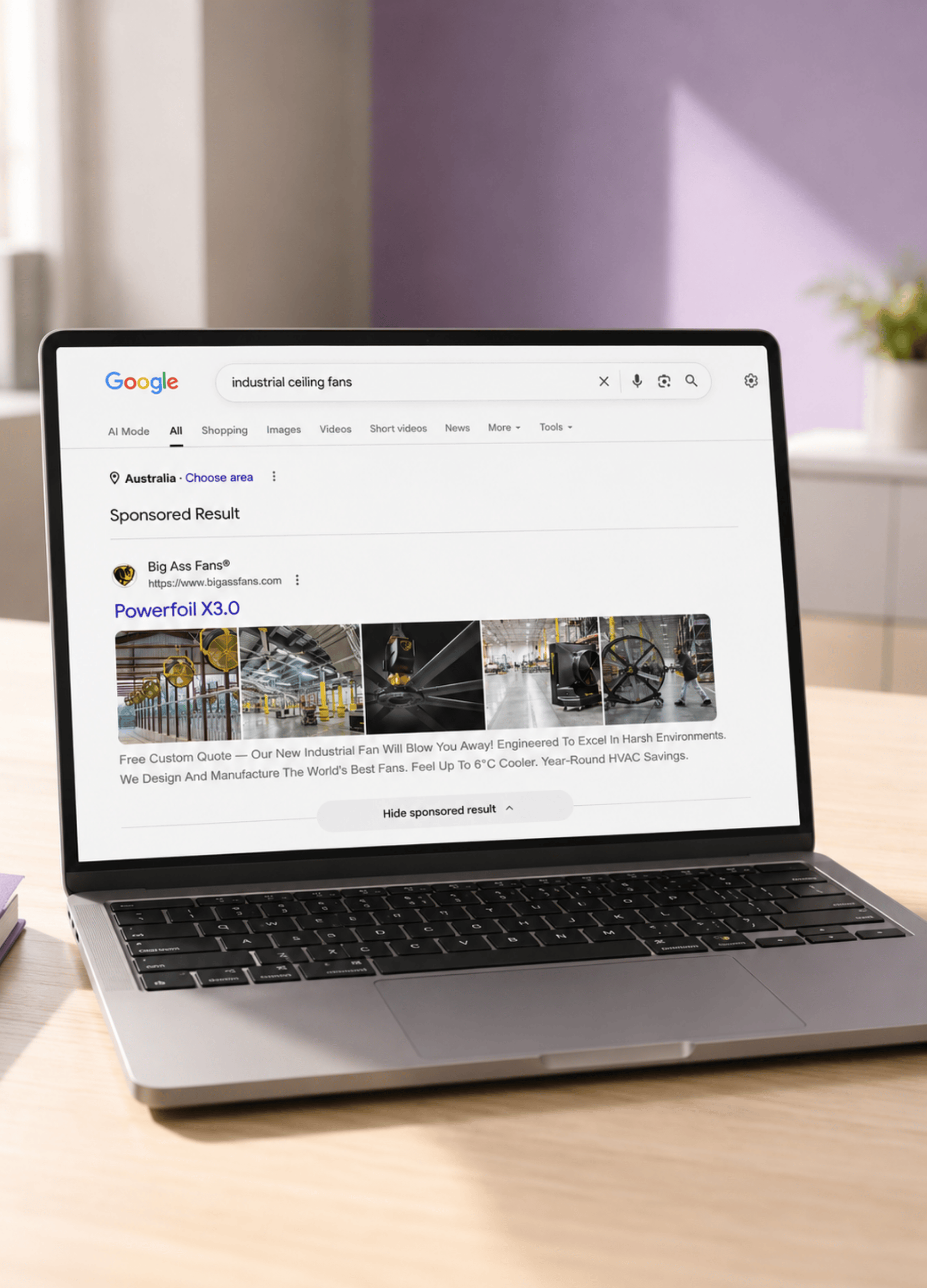
Google Ads primarily capture existing demand by reaching people who are actively searching for a product or service. Paid social advertising helps create demand by introducing your business to audiences based on their interests, behaviours and demographics. For many businesses, the strongest strategy combines both channels, using Google Ads to capture intent and paid social to build awareness and influence earlier in the customer journey.

The cost of paid social advertising depends on factors such as your campaign objectives, audience, industry and competition. Budgets vary between businesses, with media spend and campaign management tailored to commercial goals rather than a one-size-fits-all investment.

Paid social advertising can be an effective channel for businesses looking to build awareness, generate leads, grow ecommerce sales or support longer customer journeys. The right approach depends on your audience, offer, objectives and wider marketing strategy.