






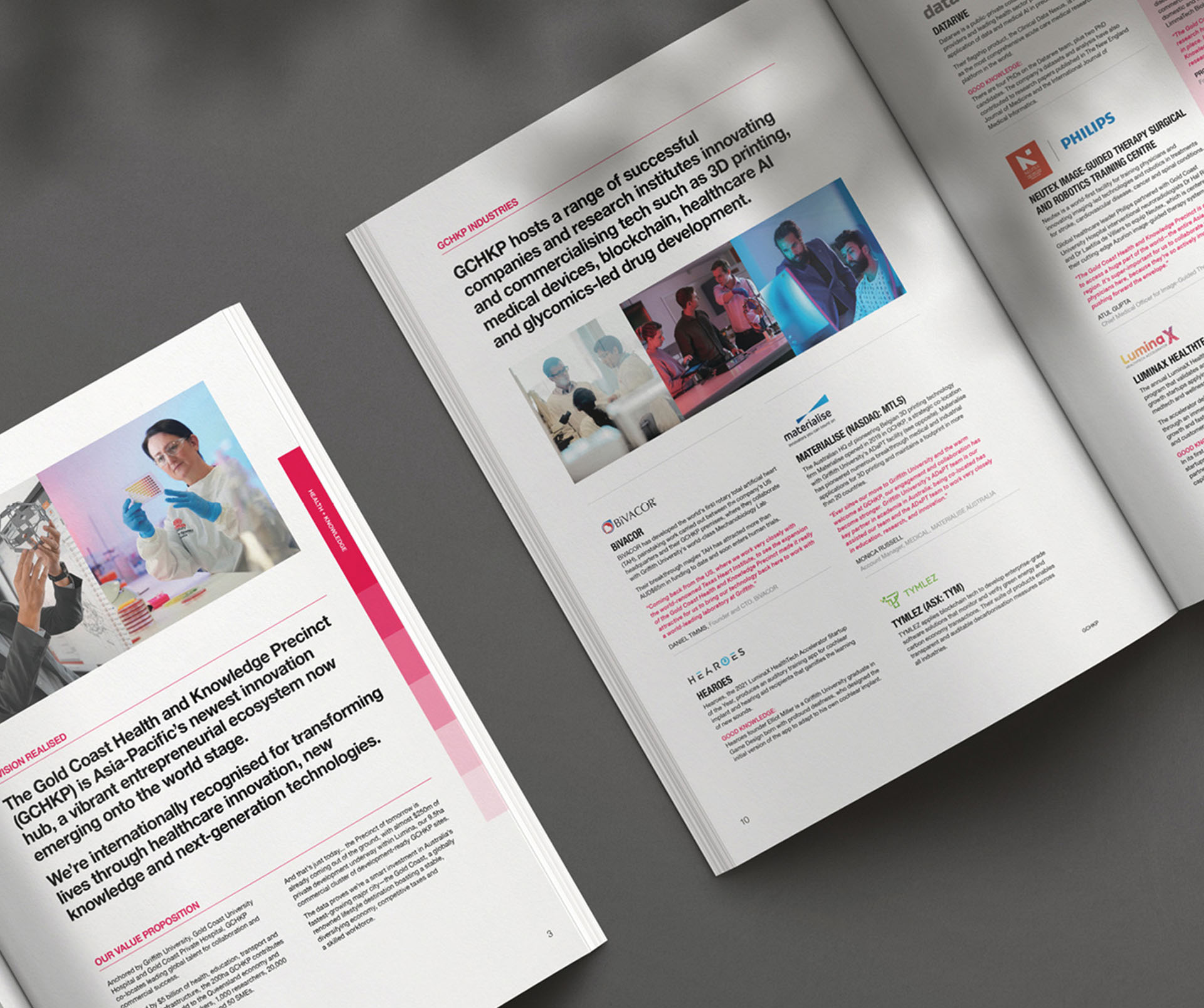


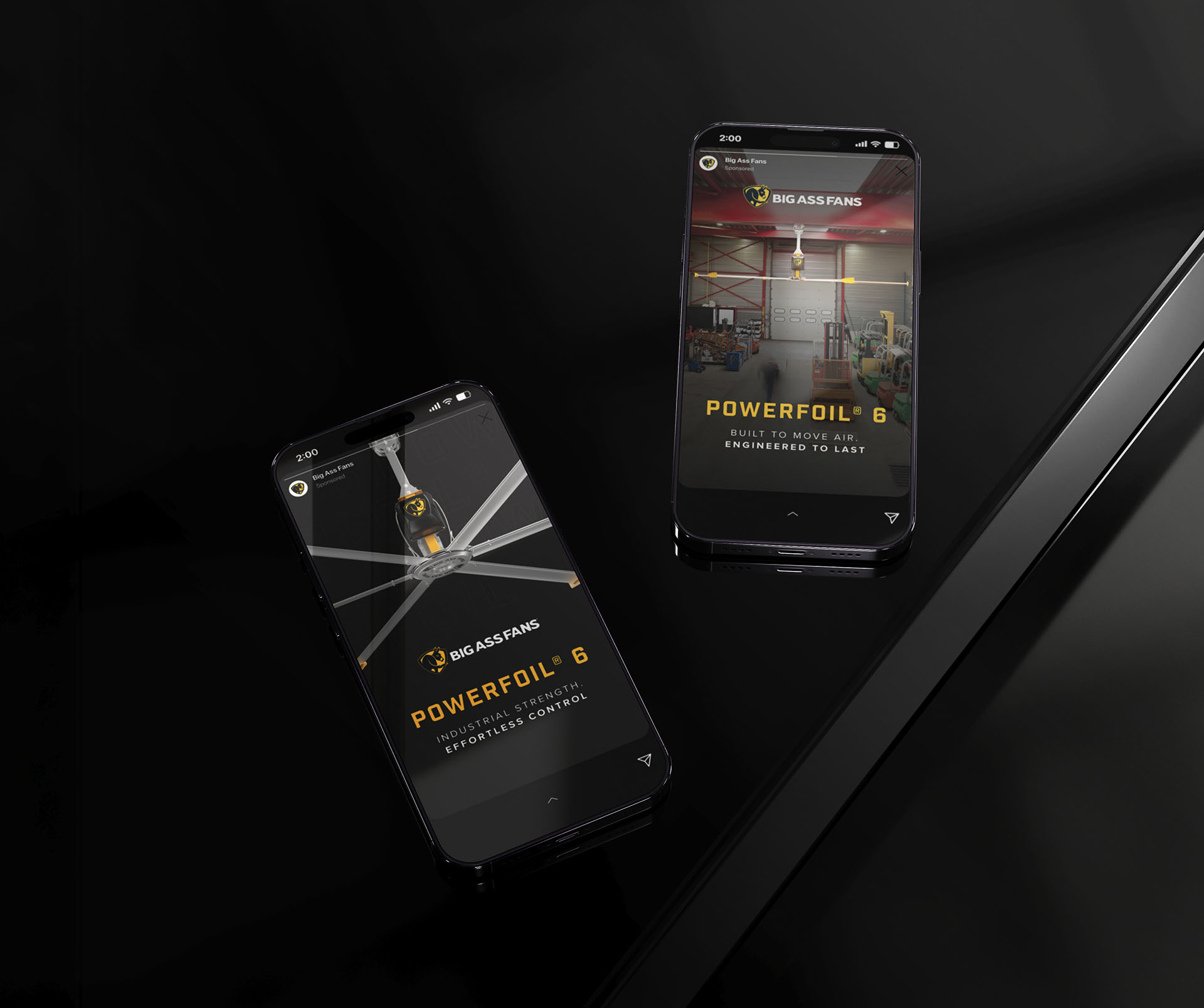

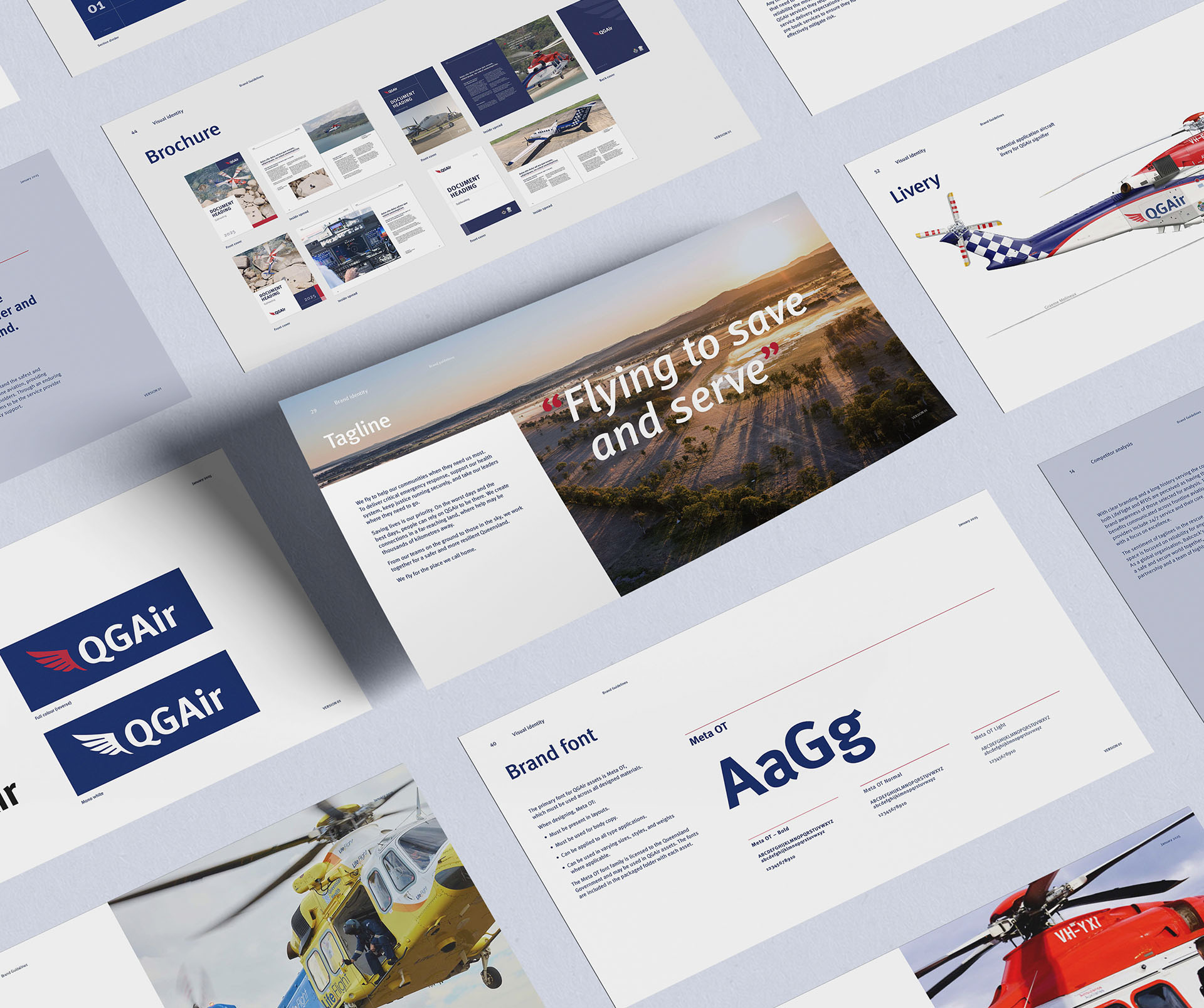
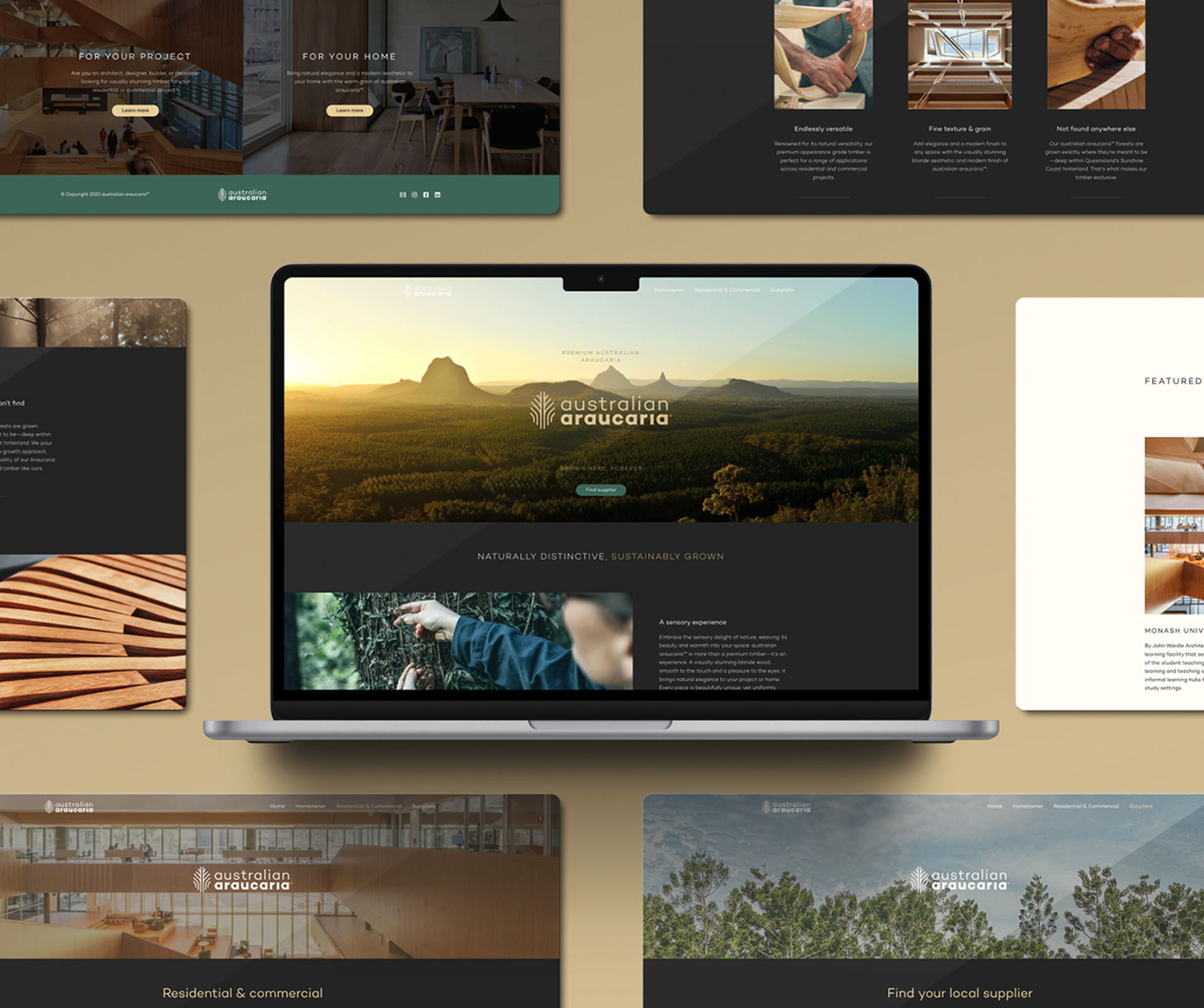
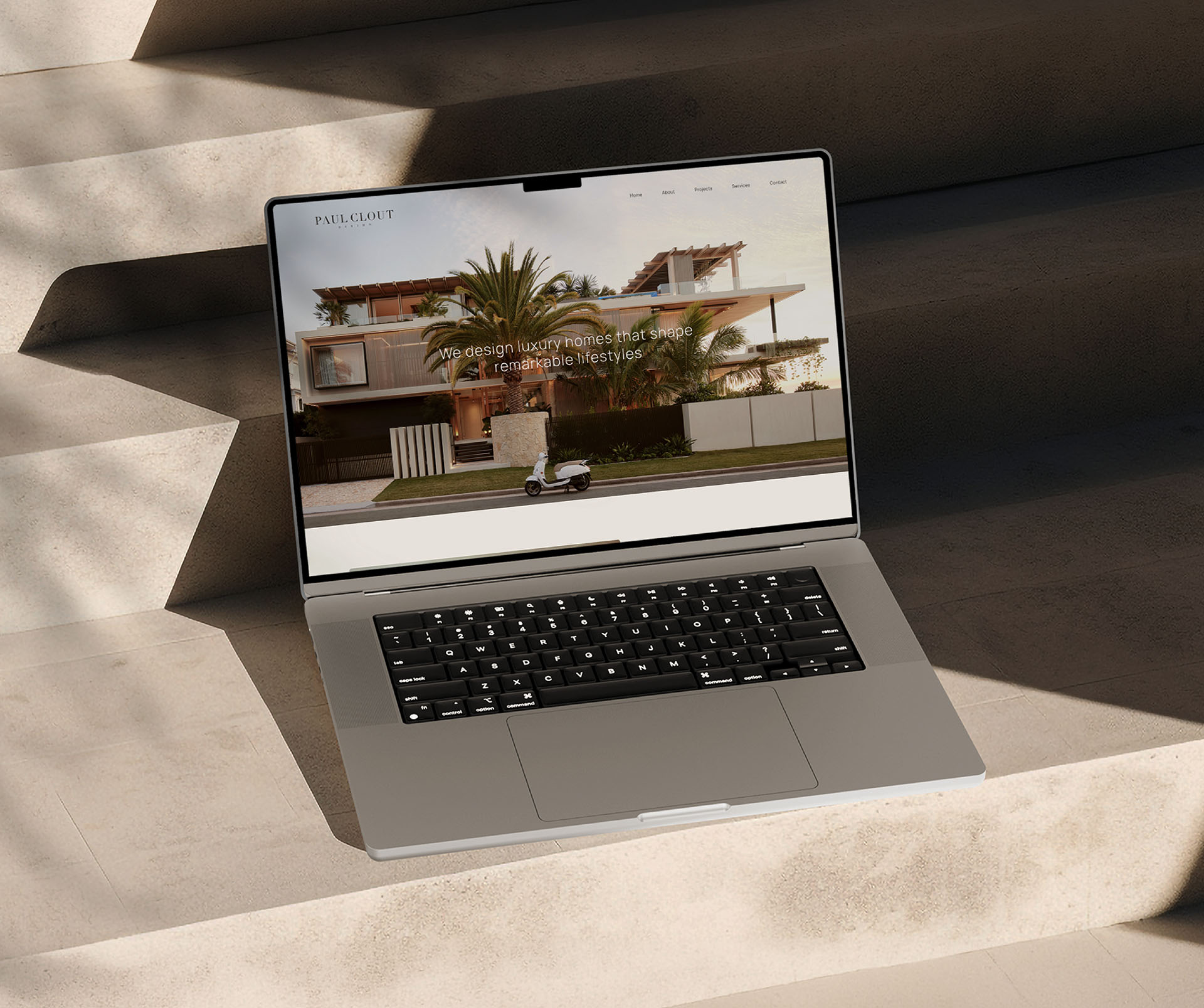



Ravel develops brand identities that are grounded in the brand behind them. Before defining the brand identity and designing anything visual, we dive deep into the core of the brand as well as the brand's market to ensure that we have a solid strategic foundation to build from.
From brand values to tagline, logo versions to layouts, every element is designed to work together and give your brand a consistent, recognisable presence.
Brand Identity Design
Every brand identity project begins with understanding the business, the audience and what the brand needs to communicate. Ravel’s process connects strategic thinking with creative development to create an identity that is both distinctive and practical.
Start your journeyExplore the business, audience, market, existing perceptions and future direction to establish a clear foundation for the identity.
Explore creative territories that translate the brand’s strategy and personality into a distinctive visual approach.
Refine the selected direction across the logo, colour palette, typography, imagery and supporting graphic elements.
Document the identity, prepare final assets and apply the visual system across the agreed priority touchpoints.


Brand identity is the collection of visual elements used to represent a business and make it recognisable. It commonly includes the logo, colour palette, typography, imagery, graphic elements and the guidelines that define how each element should be used.

Brand identity design can include logo design, colour and typography selection, graphic elements, image direction, visual identity systems, brand guidelines and the application of the identity across selected digital and print materials.
The exact inclusions depend on what the brand needs and is available within the package scoped to the budget.

A logo is one element of a brand identity. It acts as a recognisable mark for the business, while the broader brand identity includes the complete visual system surrounding it, such as colour, typography, imagery, graphic devices and layout principles.

Brand strategy defines what the brand stands for, who it is for and how it should be positioned. Brand identity translates that strategy into a visual system that audiences can see and recognise.
The two should work together, with the strategy guiding the creative direction of the identity.

A brand identity package may include primary and secondary logos, logo variations, a colour palette, typography, graphic elements, image direction, brand guidelines and final asset files.
It may also include applications such as stationery, presentation templates, social media assets or marketing collateral, depending on the project scope.

A business may need to update its brand identity when the existing look no longer reflects its positioning, audience, services or future direction. An update may also be appropriate following significant growth, a merger, a change in strategy or inconsistencies in how the brand is being presented.